

 Deutsch
 English
 Italiano
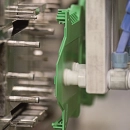
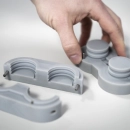
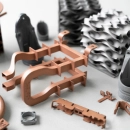
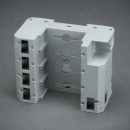

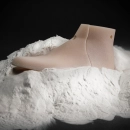
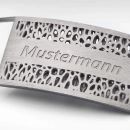

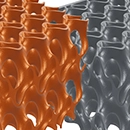


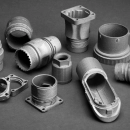


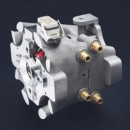
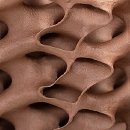


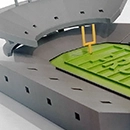





Die-casting vs. Sand Casting vs. SLM
| Requirement | Die Casting | Sand Casting | SLM |
|---|---|---|---|
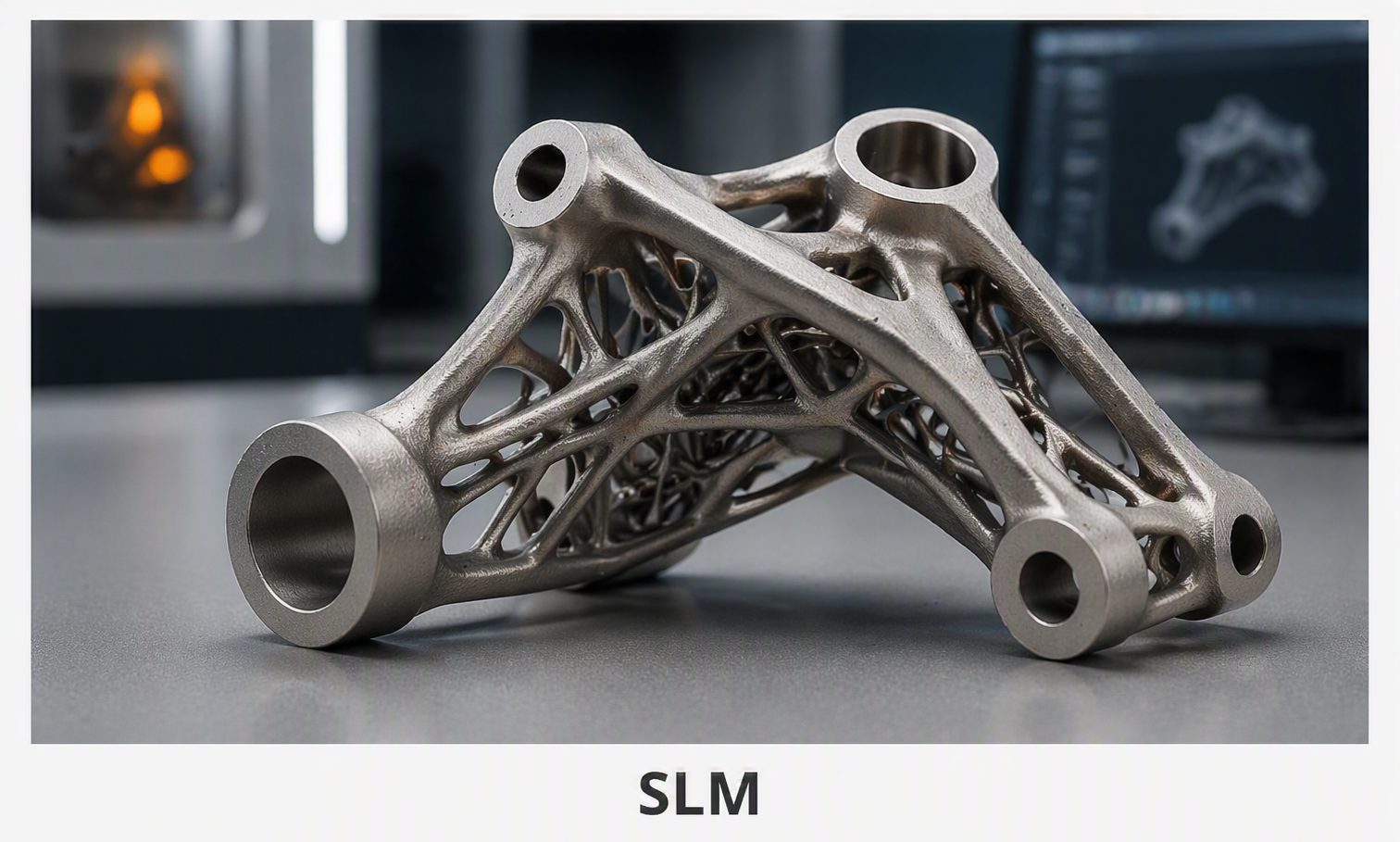
| Typical Application | High production volumes with consistent part properties | Large components and high material cross-sections | Complex geometries, functional integration and lightweight design |
| Suitable For | Medium to high-volume production | Low to high-volume production | Single parts and small production runs |
| Initial Costs | Very high due to tooling costs | Medium to high due to pattern and mold costs | Low, as no tooling is required |
| Design Freedom | High design flexibility | Very flexible | Maximum design freedom |
| Complex Internal Structures | Limited | Highly limited | Ideally suited |
| Dimensional Accuracy | High | Medium to high | Very high |
| Surface Quality | Very high | Medium to good | Good, post-processing possible |
| Part Size | Small to medium | Small to very large | Small to medium |
Example Components by Manufacturing Process
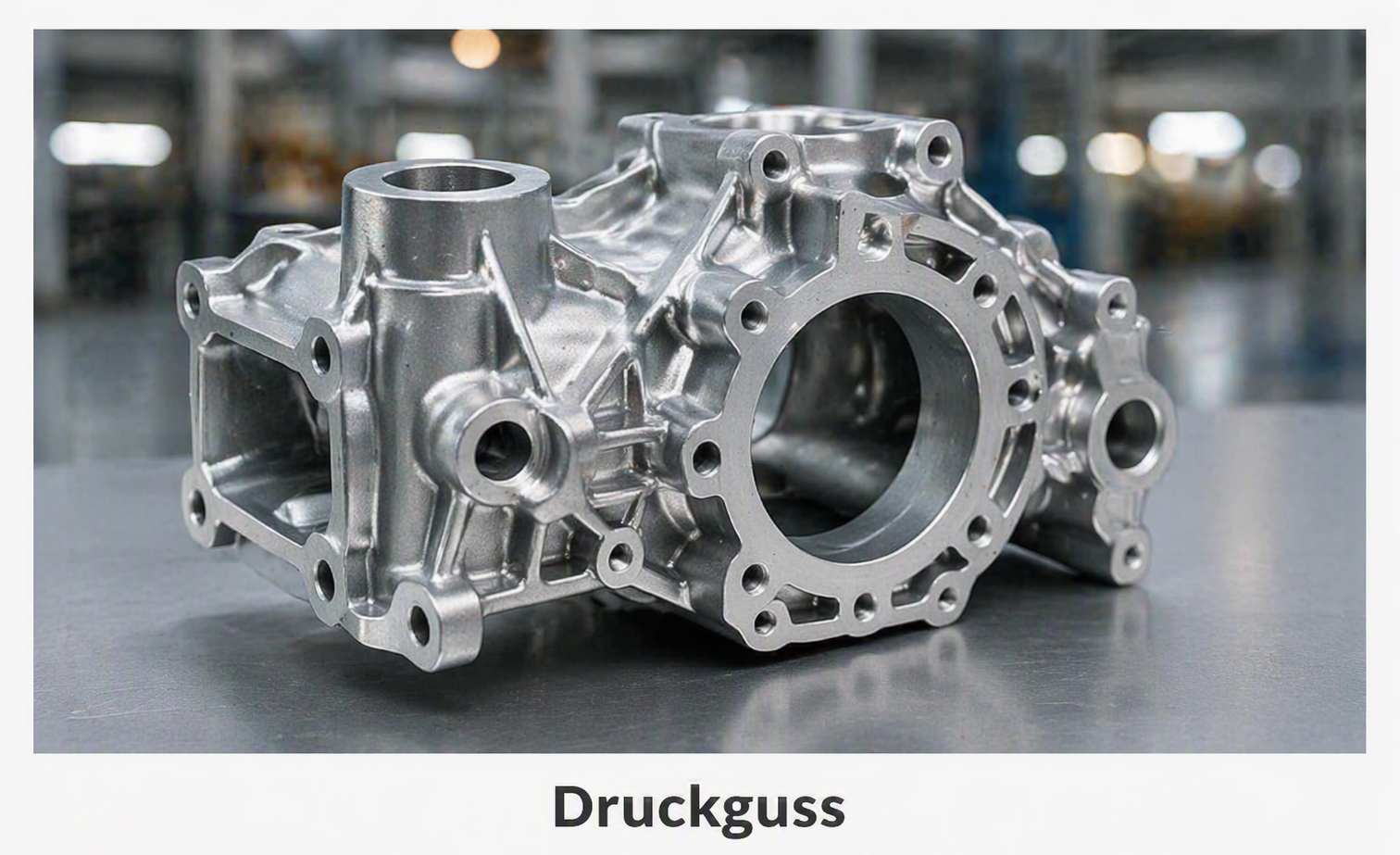
Die Casting
Electrical Engineering
Housing Production
Consumer Goods
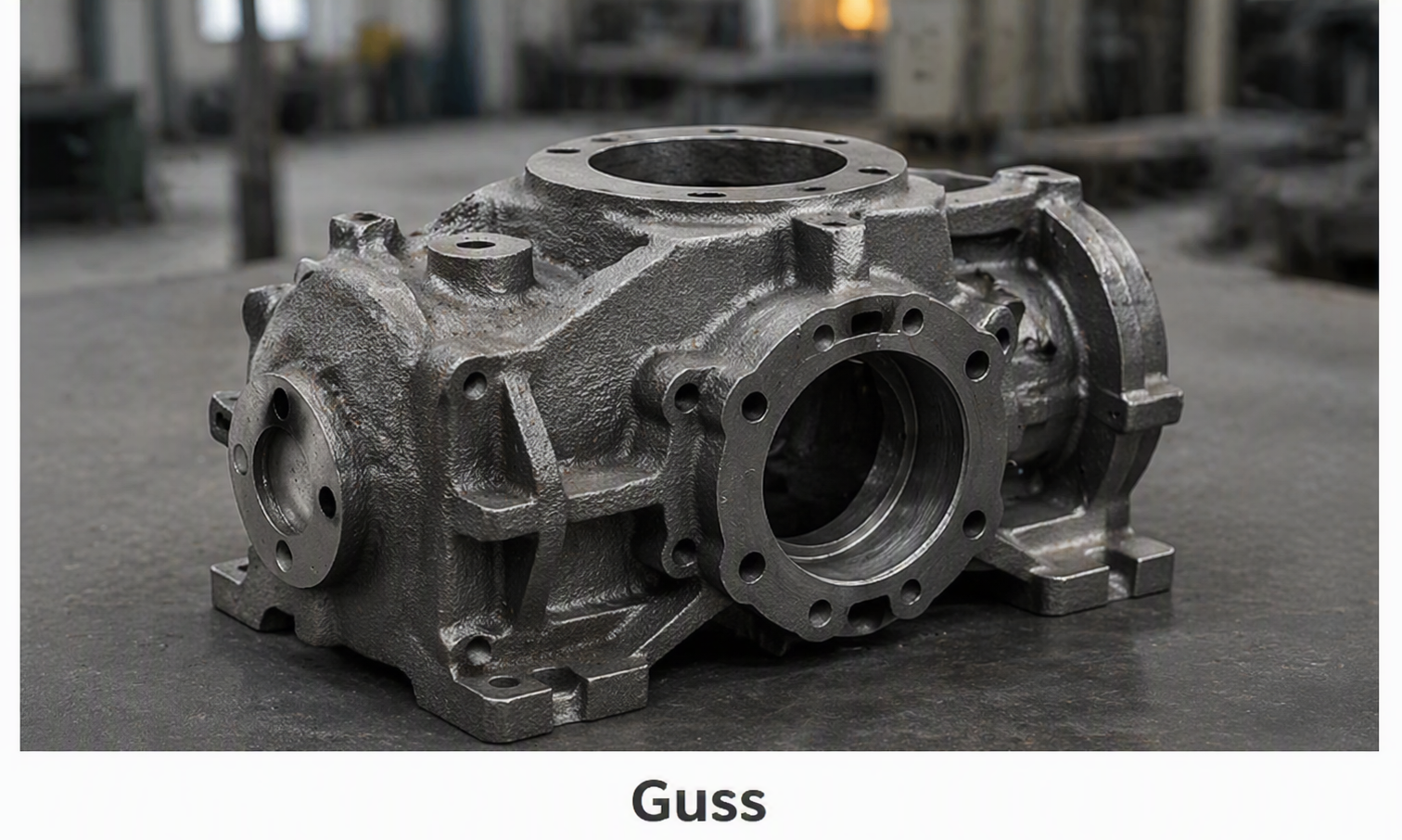
Sand Casting
Mechanical Engineering
Plant Engineering
Energy Technology
Heavy Industry
Large Components
Die Casting, Sand Casting or SLM – Which Process Fits Your Application?
Die Casting
✅ Ideal for medium to high production volumes
✅ Excellent dimensional accuracy and surface quality
✅ Cost-effective at high production volumes
✅ Very high initial costs due to tooling
✅ Particularly suitable for housings, heat sinks and structural components
Sand Casting
✅ Suitable for large and heavy metal components
✅ High flexibility regarding materials and part sizes
✅ Cost-effective for low to medium production volumes
✅ Pattern and mold costs required
✅ Proven process in mechanical engineering, plant engineering and energy technology
SLM
✅ Maximum design freedom for complex geometries
✅ Ideal for internal channels and functional integration
✅ Particularly suitable for prototypes and small production runs
✅ No expensive tooling required
✅ High potential for lightweight design and functional integration
Frequently Asked Questions About Die Casting, Sand Casting and SLM
Die Casting, Sand Casting or SLM – Find the Right Manufacturing Process
Upload your component and compare die casting, sand casting and metal 3D printing (SLM) directly in the configurator.
Upload Your Part & Select a Manufacturing Process →