

 Deutsch
 English
 Italiano






3D Printing Materials
Material groups
Which material are you looking for?
3D printing processes metals, plastics, ceramics and glass. Which materials are suitable depends on the process: powder is melted or sintered by a laser, liquid resins are cured with light, and ceramics and glass are sintered after printing.
PROTIQ itself mainly manufactures metal parts by laser melting and plastic parts by laser sintering and stereolithography. Other manufacturers on the PROTIQ Marketplace add to the range – you compare the offers and choose who you order from.

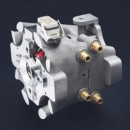
Metal
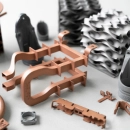
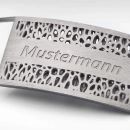
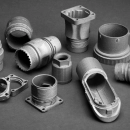
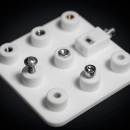
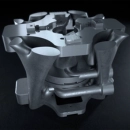
Copper, brass, zinc, stainless and tool steel, aluminum and other metals.

Laser sintering, stereolithography and more
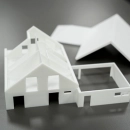
Plastic
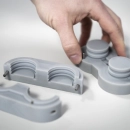
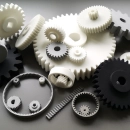
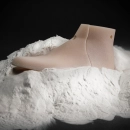
Polyamides such as PA12 and PA11, TPU, resins and elastic printing materials.

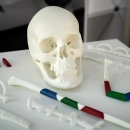
Ceramics
Technical ceramics: hard, temperature-resistant and electrically insulating.

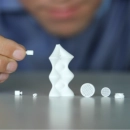
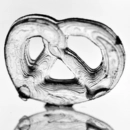
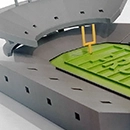
Glass 3D printing (LGM)
Glass
Fused silica: transparent, temperature-resistant and chemically resistant.
You can find other plastics, for example for Multi Jet Fusion (MJF), Fused Deposition Modeling (FDM) or binder jetting, under 3D printing processes.
Find your material
Which material suits my requirements?
A first point of reference – you’ll find details and properties on the material pages.
- Durable plastic partsPA12 or PA11 by laser sintering
- Smooth surface, fine detailsResins for stereolithography
- ElasticTPU by laser sintering
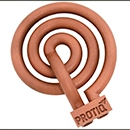
- Electrically and thermally conductiveCopper materials by laser melting
- Strong and wear-resistantTool and stainless steel by laser melting
- LightweightAluminum AlSi10Mg by laser melting
- Hard and electrically insulatingTechnical ceramics
- Transparent and heat-resistantFused silica
- Transparent at room temperatureRS Clear for stereolithography
FAQ
Frequently asked questions about 3D printing materials
Which materials can be 3D printed?
3D printing can process metals, plastics, ceramics and glass – from copper, steel and aluminum to polyamides, TPU and resins through to technical ceramics and fused silica. You can see which materials are available for your part in the configurator after uploading your 3D file.
Which materials does PROTIQ manufacture itself?
At its site in Blomberg, Germany, PROTIQ manufactures metal parts by laser melting, including copper, brass, zinc, steel and aluminum, as well as plastic parts by laser sintering and stereolithography. Other manufacturers on the PROTIQ Marketplace offer additional materials.
Where can I find the material data sheets?
You can find the valid data sheet in the ordering process: after you upload your 3D file, it is linked to the respective offer.