


 Deutsch
 English
 Italiano
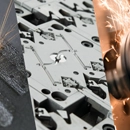
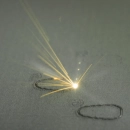
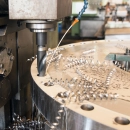













Printed vs. Machined
Materials Comparison
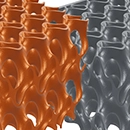
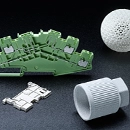
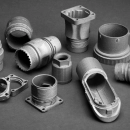
In 3D printing (particularly selective laser melting and selective laser sintering) and CNC machining, materials differ not only in their designation but also in the way they are processed. In machining, components are produced from industrial semi-finished products such as plates, blocks, or bars. As a result, a very broad range of plastics, metals, and high-performance materials is generally available. SLS and SLM, on the other hand, process powdered raw materials, which are built up layer by layer to form a component. This makes the material selection more process-dependent, while at the same time enabling complex geometries, internal structures, and functionally integrated components that can only be produced to a limited extent through machining. For a technically sound comparison, the key factor is therefore not the material name alone, but the combination of material, manufacturing process, component geometry, and required properties.
Technical Differences in Detail
| Criterion | 3D Printing (SLS/SLM) | Machining |
|---|---|---|
| Manufacturing Principle | No dedicated tooling required | Tooling required |
| Material Utilization | High | Material loss due to chip removal |
| Tolerances | Good | Very high |
| Design Freedom | Very high | Limited by accessibility |
| Surface Quality | Typically rough, can be post-processed | Very high surface quality possible |
*The differences result from the respective manufacturing principles and depend on the component, material, and application requirements.
Areas of Application Comparison
3D Printing and Machining in Industrial Use
3D printing and machining are among the most important manufacturing processes in industrial production. Both technologies offer specific advantages depending on component geometry, functionality, and application requirements.
While 3D printing particularly excels in the production of complex geometries, internal structures, and functionally integrated components, machining is especially suitable for precise parts with high requirements regarding dimensional accuracy, surface quality, and mechanical strength.
Typical Areas of Application at a Glance
Both manufacturing processes are widely used in industries such as automotive, mechanical engineering, electronics, and aerospace.
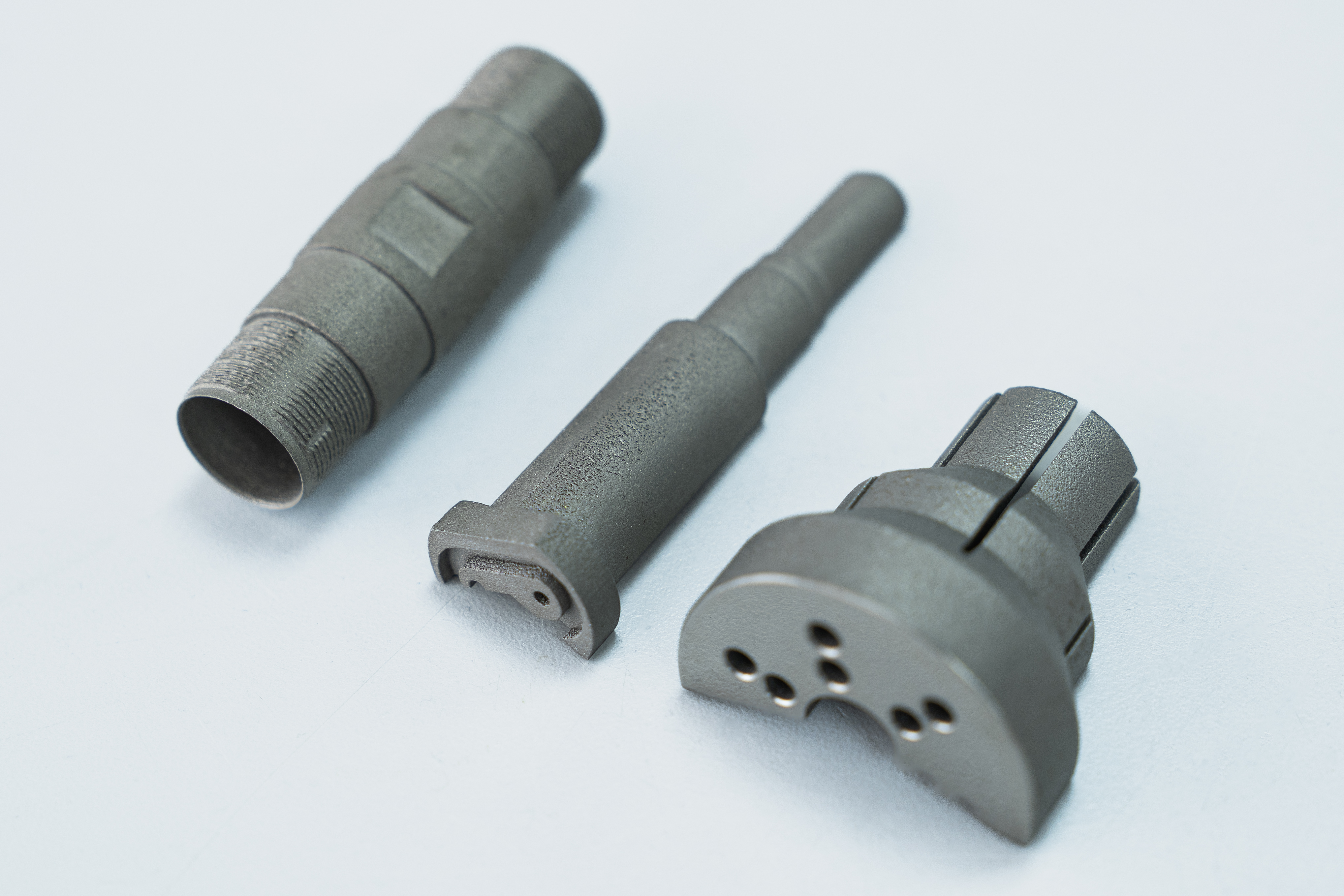
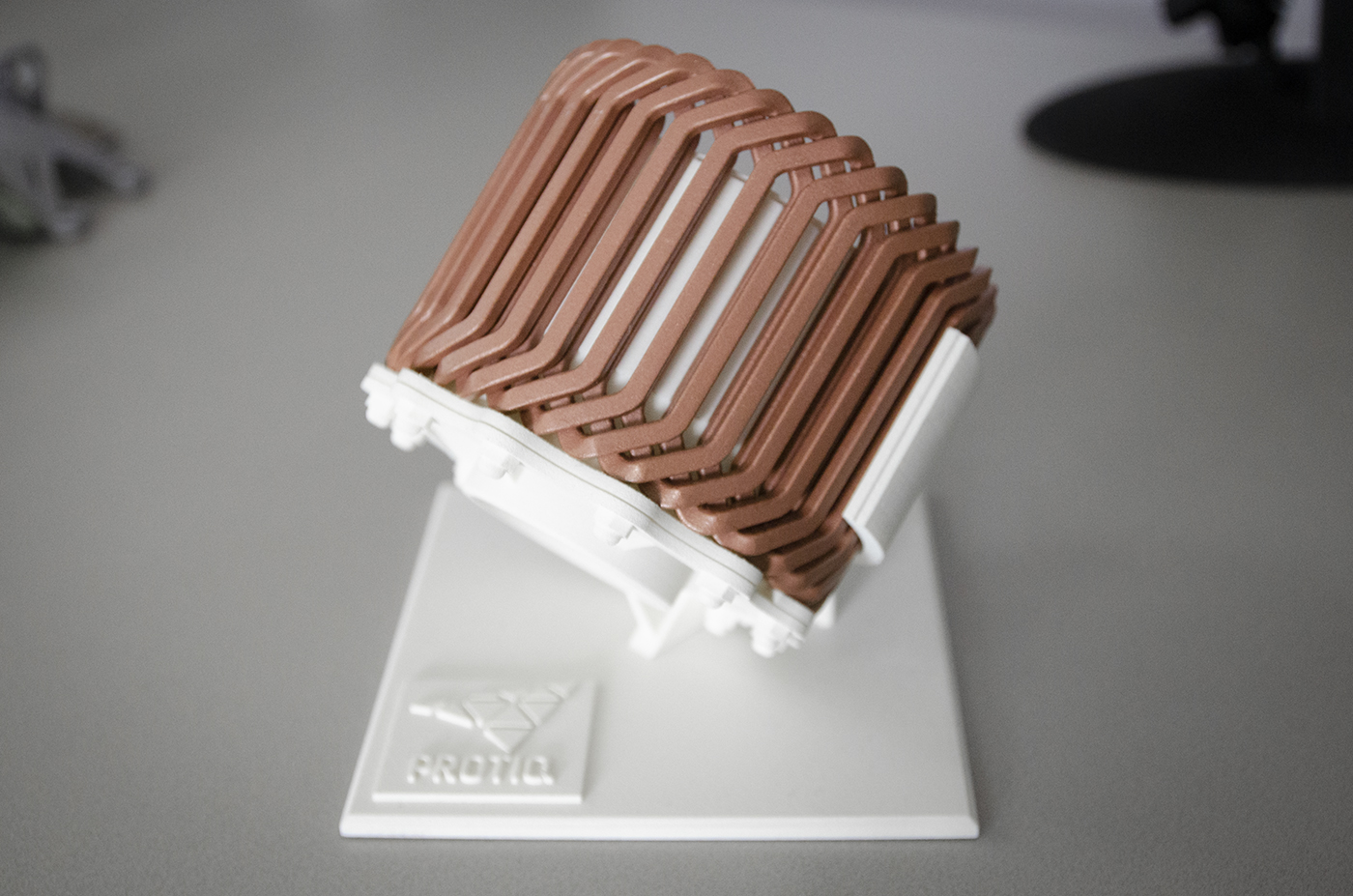
Typical applications of 3D printing include prototypes, functionally integrated parts, complex geometries, lightweight components, and parts with internal channels or structures.
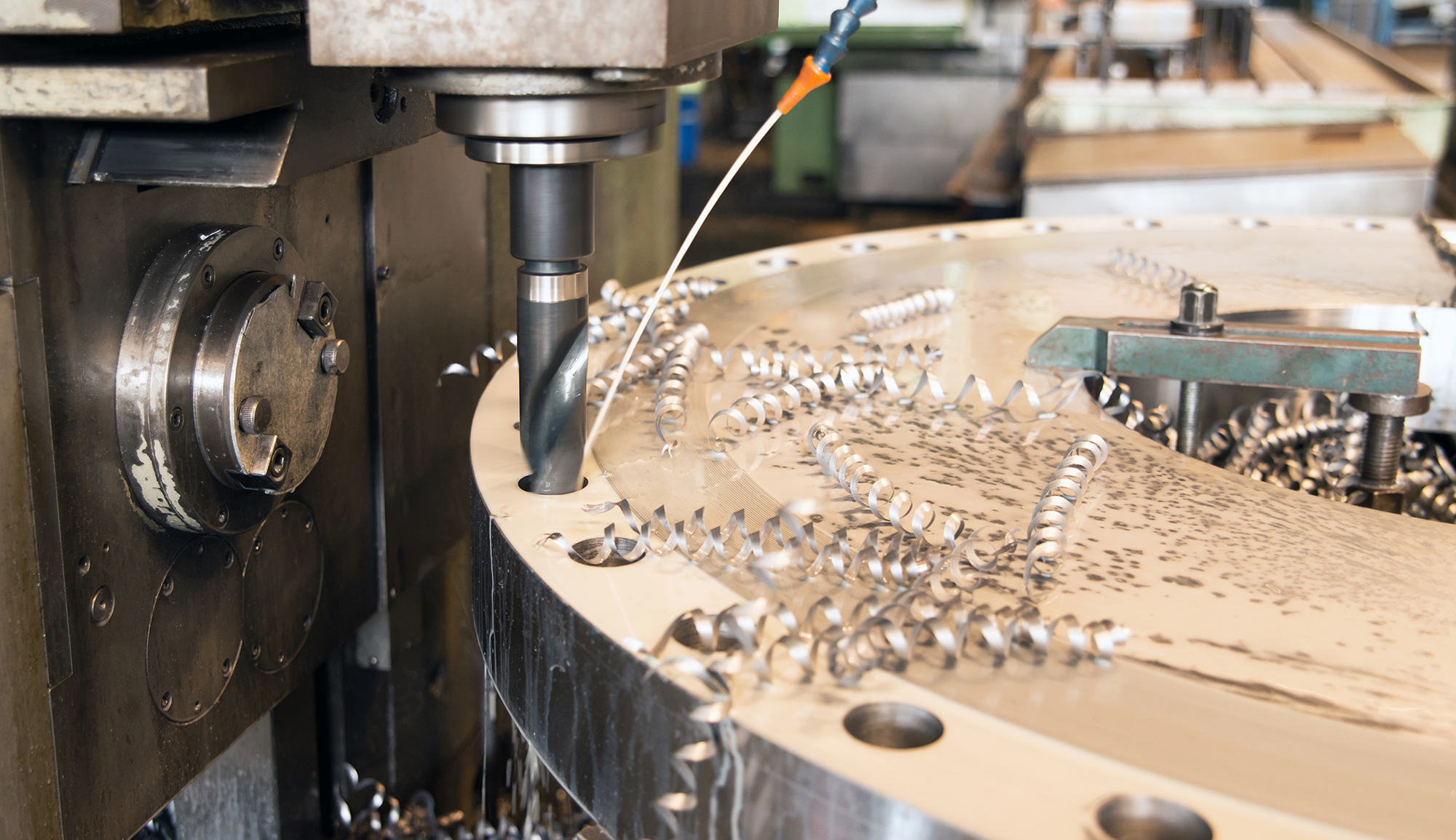
Machining is particularly frequently used for precision-critical components, fixtures, tools, heavily loaded mechanical parts, and components with high requirements for surface quality and tight tolerances.

3D Printing vs. Machining - Which Solution Fits Your Component?
3D Printing
- Ideal for complex geometries and functionally integrated components
- Suitable for lightweight structures and optimized designs
- Efficient for prototypes and small production batches
- Enables rapid iterations during the development process
- Well suited for customized components
Machining
- Ideal for precise components with tight tolerances
- Excellent surface quality for functional parts
- Well suited for mechanically stressed components
- Efficient for simple geometries and series production
- Proven process for industrial applications
Frequently Asked Questions About 3D Printing and Machining
Printed or Machined – Find the Right Manufacturing Method
Upload your part and compare 3D printing and CNC machining directly in the configurator.
Upload Your Part & Compare Manufacturing Methods →