


 Deutsch
 English
 Italiano


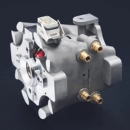



3D printing for classic cars
3D printing opens up new possibilities in the restoration of classic vehicles: modern manufacturing technologies make it possible to precisely reproduce rare or no longer produced components and adapt them to individual requirements.With attention to detail and respect for the past
Owning a classic car means passion – even when something constantly needs to be repaired or restored. To preserve the charm of past decades, a vehicle should be maintained as true to the original as possible. However, this becomes challenging when suitable spare parts are no longer readily available on the market or are offered only at very high prices. Modern additive manufacturing provides a contemporary solution.
3D printing makes it possible to reproduce rare or discontinued components quickly, precisely and true to the original. Time‑consuming searches, long waiting periods or costly procurement processes are now a thing of the past. Instead, required components can be produced efficiently – at fair prices and without compromising quality.
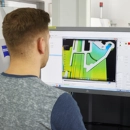
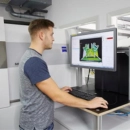
The basis for this are digital 3D data, created either through a 3D scan of an existing component or through new CAD design. On this basis, parts can be reproduced exactly or individually adapted if needed.
Beyond faithful reproduction, new possibilities emerge: customized exhaust systems, optimized interior components or individual body details can be manufactured with perfect fit. This way, 3D printing connects historical vehicle culture with modern technology – for restorations that preserve tradition while offering new freedoms.
Key points for manufacturing classic car spare parts
- 3D printing enables the production of classic car spare parts that are hardly or no longer available
- 3D scanning technology can capture original parts digitally and use them as precise templates for reproduction
- Significantly faster production compared to manual one‑off manufacturing
- Possibility to produce parts using improved materials or optimized properties – without significantly altering the original design
- Individual adjustments can be made directly in the digital 3D file
- Improved availability of rare parts helps preserve classic vehicles in the long term
- Production of spare parts for discontinued models can be resumed in small series
The right material for your spare parts
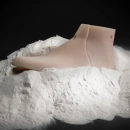
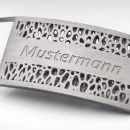
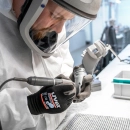
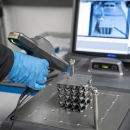
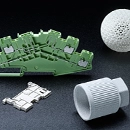
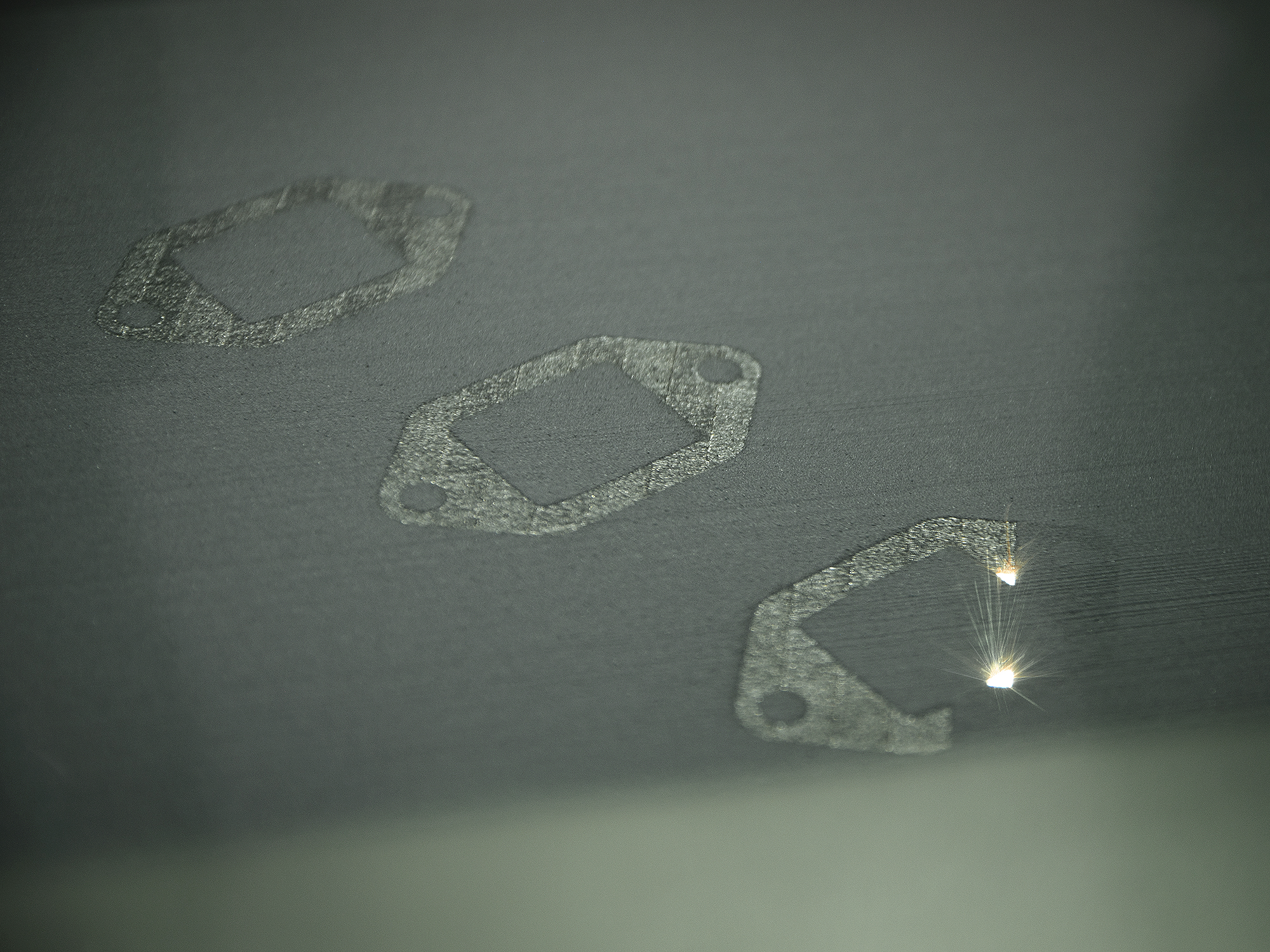
3D‑printed components manufactured using Selective Laser Sintering (SLS) for plastics and Selective Laser Melting (SLM) for metal parts are particularly suitable as spare parts. The objects are created layer by layer by melting a fine powder with a powerful laser, forming a solid part. The parts are very stable due to the melting process and the materials used, making them suitable for long-term use. Plastics can be painted or dyed as desired. For metal components, additional surface finishing such as coating, vibratory finishing or polishing can be applied.
You need a rare spare part for your classic car quickly? We produce it using 3D printing and deliver it within a few days. We are also happy to support you with 3D data creation through a 3D scan or through design services. Generate your free online quote now!
Metal materials for the SLM process
- MS1 (1.2709)
- PH1 (1.4540)
- 316L (1.4404)
- AlSi10Mg
- RS copper
- Pure copper
Plastics for the SLS process
- PA11
- PA12
- PA12 FR
- PA6
Fields of application
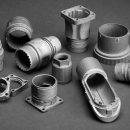
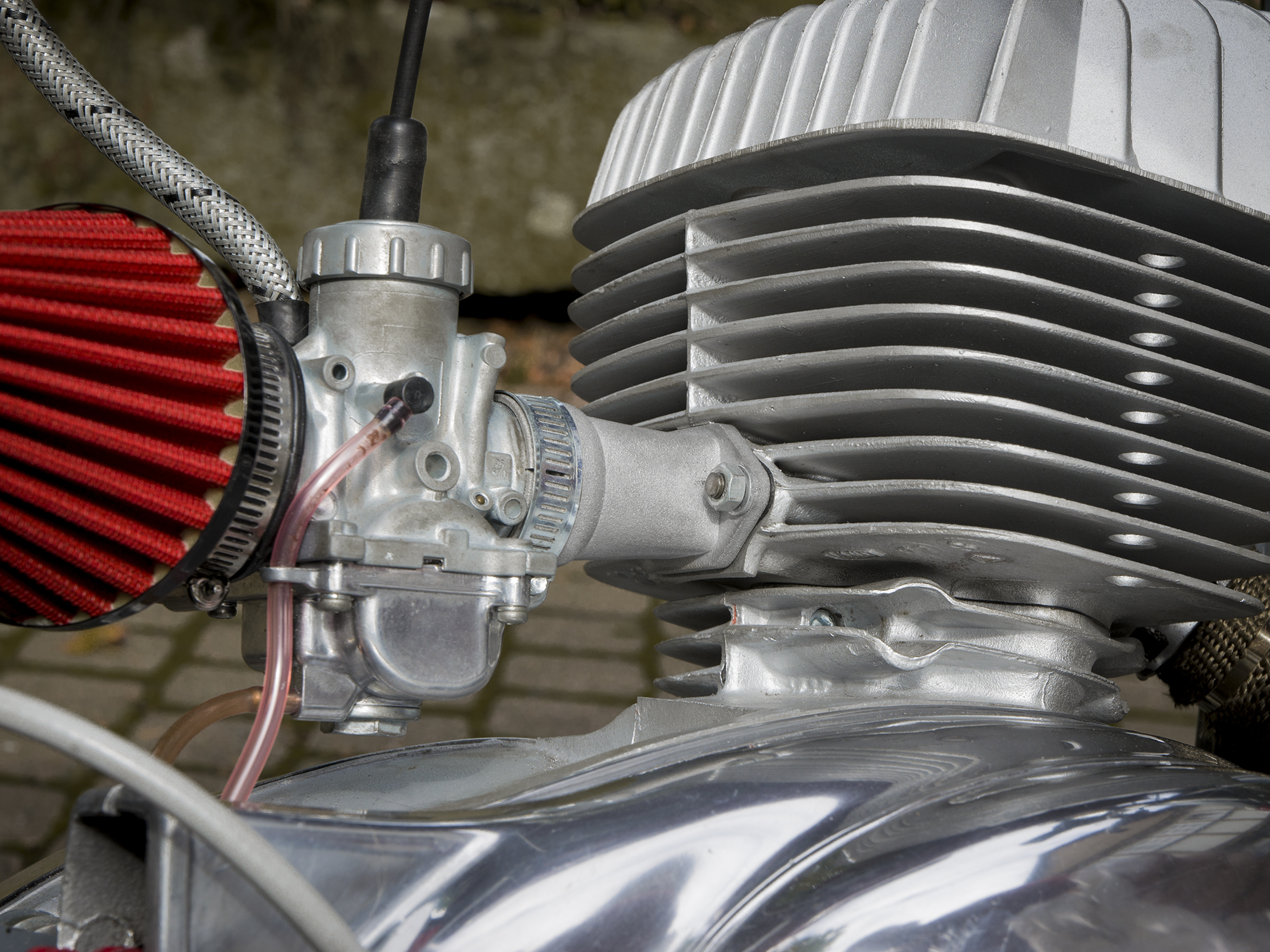
Additive manufacturing opens up a wide range of applications for classic vehicles – whether bicycles, cars or tractors. Custom spare parts can be produced true to the original style of past decades or adapted with modern enhancements upon request. This is especially helpful for old plastic components that have become brittle over time or are already broken. At PROTIQ, robust metal components can also be produced to withstand higher loads. Thus, both functional and decorative components can be precisely reproduced and preserved for the long term.
Application examples
- Covers, seals
- Trim parts, paneling
- Air intakes
- Radiator mascots
- Gear knobs
- Carburetors, intake funnels
- Plugs
- Dashboards
- Controllers, knobs, handles
- Brackets
Challenges and limitations
Creating accurate copies of aged original parts
It can be challenging to produce spare parts that do not stand out among decades-old originals. Choosing the right material and applying suitable post-processing can solve this issue in many cases.
Legal restrictions
In some countries, laws and regulations may restrict or prohibit the 3D printing of spare parts for classic vehicles. Additively manufactured components, for example, may not be used in certain load‑bearing or safety‑critical positions. Please check in advance whether the required spare part may be used for its intended purpose.
As with all additive projects, general design guidelines also apply to spare parts for classic vehicles.
> Read more about the design guidelines here
Frequently asked questions about 3D printing for classic cars
How is a missing or defective part digitized?
If no CAD model is available, the existing component is captured using a high‑resolution 3D scan or measured manually. If the original is already damaged, PROTIQ can reconstruct it based on photos, drawings or remaining fragments.
If required, PROTIQ handles the complete data preparation – including reverse engineering and dimensional corrections.
Which parts can be reproduced with 3D printing?
In principle, almost all components can be reproduced – from simple plastic parts to complex metal components. Typical classic car examples include:
- • Trim parts, covers and interior details
- • Knobs, controllers, gear knobs and dashboard elements
- • Plugs, brackets, seals and covers
- • Mechanically stressed parts such as exhaust brackets, housings or adapters
Which components are suitable depends mainly on the material, the load, the size of the component and legal requirements.
How true to the original are the printed parts?
The accuracy depends on the digital data and the chosen manufacturing process. With precise data capture and post‑processing, the following can be reproduced very close to the original:
- • Surface textures
- • Material appearance
- • Engravings and contours
Painting, polishing or coating additionally make an almost identical appearance possible.
Are there legal restrictions when using 3D‑printed parts?
In some countries, regulations apply to safety‑relevant vehicle components. It is important to check beforehand whether the printed part is permitted for the intended purpose – especially for load‑bearing or safety‑critical components.
Can I have multiple identical parts produced?
Yes. PROTIQ offers small series and multi‑part reproductions. Since no tooling is required, even small quantities can be produced cost‑effectively.